
I think that we need to relearn how to treasure theatre
Our society considers culture and theatre to be a luxury. Yet theatre is a great school of empathy and needs to be valued.
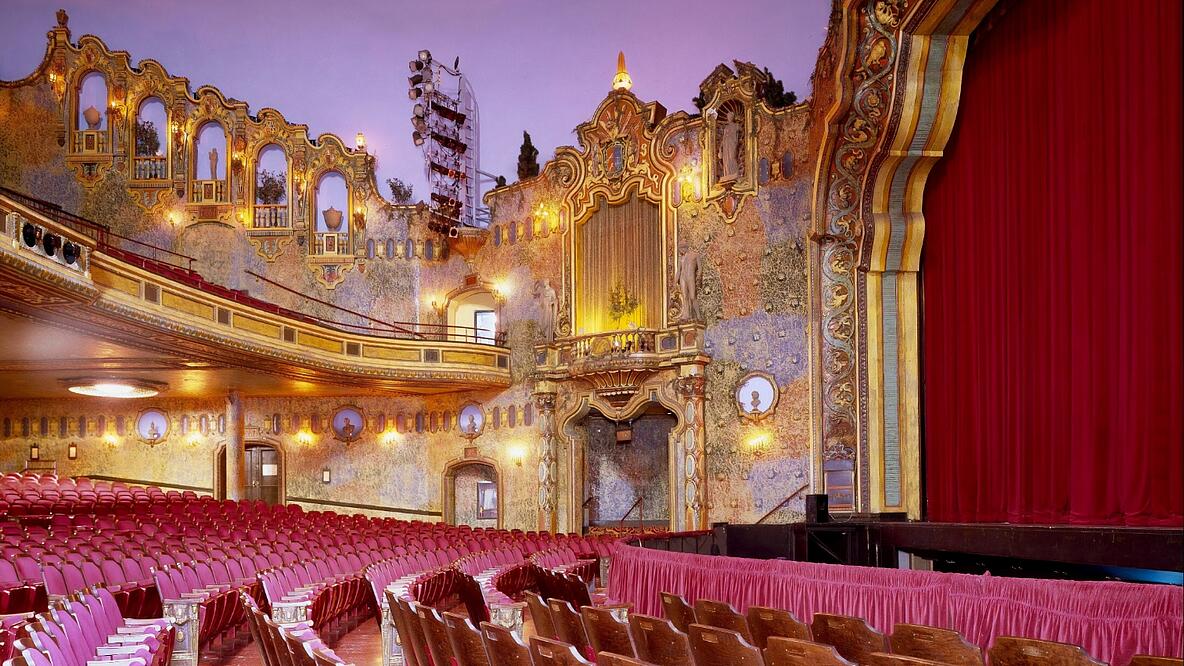

The magnificent Carpenter Theater in Richmond, Virginia.
Photo: Unsplash
In our society, a lot of things are geared towards us going to work in the morning. That's why we have the right to a day-care place for our children, for example.
Let’s imagine for a moment that there was guaranteed childcare by the state so that people could go to the theatre. If you have children and want to see a performance in the evening, you have to organise a babysitter yourself. Our society still seems to think that culture and theatre are a luxury.
This attitude continues for those who work there: This was also particularly evident recently during the pandemic, when cultural institutions remained closed for long periods and many creative people were neither covered by short-time work nor could apply for emergency Corona aid.
For many people, this was a very precarious and threatening situation, but it also simply reflected the low social status of art and culture.
Of course, the theatres themselves must contribute to a reassessment of the value of theatre by opening up to a broader audience and becoming less elitist, bourgeois and exclusive.
But the theatres can also open themselves up as much as they want without impact - as long as social realities don't allow a single mother with two jobs to have free time to go to the theatre. In that case, it doesn't matter at all which plays the theatres offer or in which language.
To change this, we have to create the right conditions - and conversely, finally make cultural activities fit everyday life. Not only for us, but also for our children. Because we all need culture and the arts to stay healthy.
As told to Timo Berger