
The house that tortillas built
How a tortilla oven survived a tsunami and fed three generations of one Chilean family
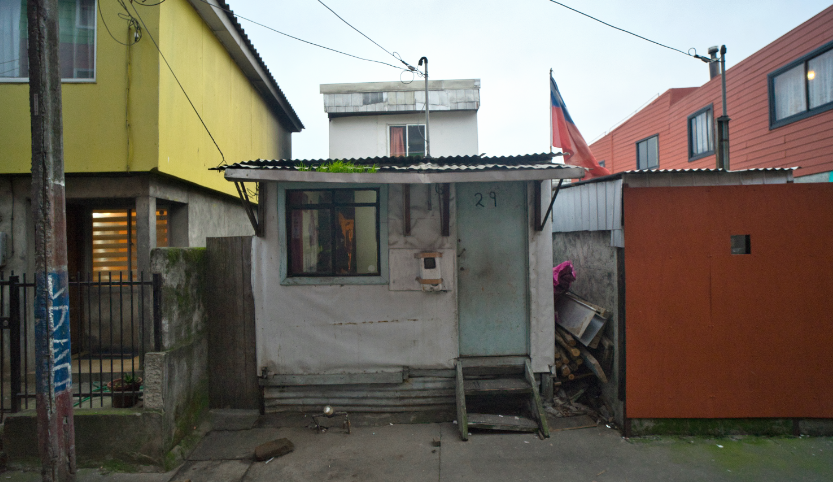

The house of Maria and Diomedes in Lirquèn, Chile
Photo: Antonia Lorena Garcia Inzulza / Finley Smee
Hidden behind a noisy, chaotic market in Lirquén, a Chilean port village north of the city of Concepción, is a narrow alley. At its end is the plot of land where Maria and Diomedes built a house for their family of seven in the 1970s.
During the week, Diomedes used to go out on his fishing boat to catch seafood, which Maria then sold with tortillas at the local market. Maria baked the tortillas herself in a large clay oven in her house.
When parts of Chile were flooded by a tsunami in 2010, Lirquén was also affected. Maria and Diomedes fled but returned home to find their house in ruins. Everything had been washed away - except for the clay oven.
Today, their daughter, granddaughter and great-granddaughter live together in the house they rebuilt after the tsunami. The daughter and granddaughter have taken over the business and now pedal their own homemade tortillas at the local market, baked in the historic oven used by their grandparents.